Emergency calls: details DO matter
25 May 2025
The Public Emergency Communication Centre (PECC) is the first line of defence in times of need, and fielded nearly 240 000 calls over the past three winters. As the chill sets in, the public is reminded of their responsibility when making an emergency call. Read more below:
The City's Public Emergency Centre is nearing its 25th year in existence. Its team of Emergency Communication Officers direct hundreds of thousands of calls for help to the appropriate channels each year.
While medical calls make up the bulk of incidents recorded, there are seasonal changes too – during winter, calls about weather-related impacts increase, e.g. structural flooding, flooding of roadways and other traffic impacts.
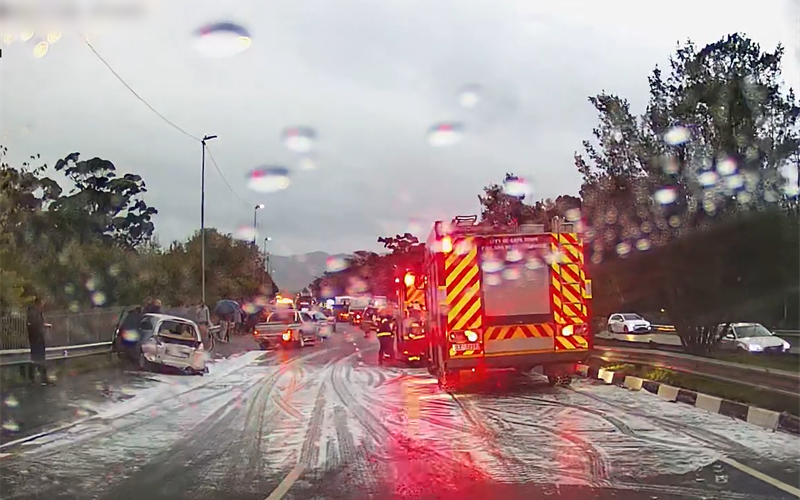 A comparison of winter emergency call statistics over the previous two years (May to September) - shows a marked downturn in the overall number of calls in 2024, but noticeable increases in some of the categories linked to weather.
| Category | 2023 | 2024 |
| Total calls | 88 583 | 71 867 |
| Prank calls | 4 865 | 3 243 |
| Structural flooding | 262 | 563 |
| Severe storms/rockfalls | 78 | 138 |
'The statistics remind us of the very severe weather spells we experienced last winter. There were fewer frontal systems, but the impacts were more widespread. Our Safety and Security Directorate has a critical role in disaster response and mitigation and it starts with the call for help. We have staff on shift 24-hours a day, whose job it is to dispatch the right resource in times of trouble. They are trained to ask the right questions, but it's a two-way conversation, so my appeal to callers is to follow their lead, have your wits about you, and share as many pertinent details as possible. Simple things like an address or a landmark, and a patient's medical history.
'Parents, have the conversation with your children about how to call for help, but also the important function of emergency communication services. Prank calls made up nearly five percent of all calls over the past two winters. I can't understand how this remains a source of amusement for some, knowing full well that they could be standing between the next caller in line and life-saving assistance,' said Mayoral Committee Member for Safety and Security, Alderman JP Smith.
TIPS FROM THE PUBLIC EMERGENCY COMMUNICATION CENTRE:
- Display the number prominently in your home
- Make sure everyone knows it, and has it saved on their cellphones
- Teach children their address at an early age
- Share details of medical conditions with the household, in case of an emergency
WHEN MAKING AN EMERGENCY CALL:
- Once you have dialled the number and are through to the operator, give them your contact number first so they can call you back if you lose connection.
- Always give your full name.
- Describe your location as accurately as you can. Remember, the operator might not necessarily know your neighbourhood like you do.
- Give details of your emergency. Let the operator guide the conversation — they have been trained to ask the most pertinent questions.
- If it is a medical call, does the patient have existing conditions, i.e. high blood pressure, diabetes etc.
- For as long as you are able, stay on the line. When the call connects, operators will be able to identify helpful information from the call staying connected.
The operator will then direct your call, along with the information they collected, to the relevant police, fire or ambulance service.
Published by:
City of Cape Town, Media Office